
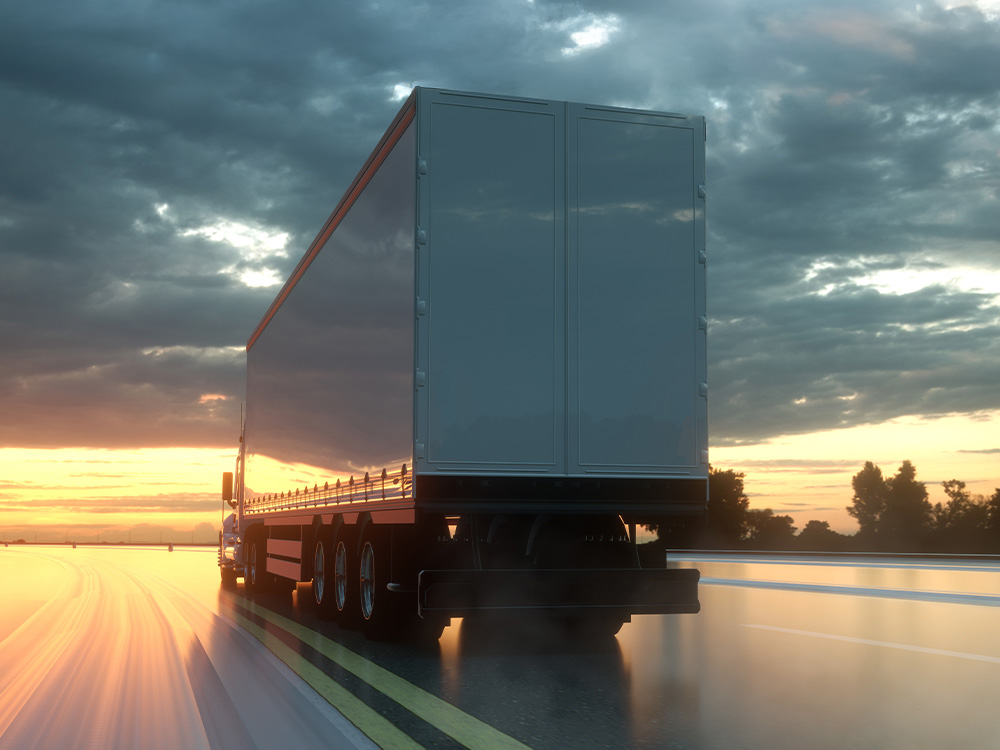
IRONRIDGE, IL – In a development that has left both engineers and truck drivers blinking in disbelief, fleets of autonomous big rigs have activated a feature now dubbed “Nap Mode,” allowing driverless trucks to slow down and drift into a restful cruise – complete with soft humming sounds – when the onboard system detects signs of simulated fatigue.
According to control center analysts, the feature emerged not from a deliberate design choice but as an accidental consequence of merging driver health data with the autonomous routing algorithm. Engineers had been feeding anonymized human-driver performance patterns into the system to help predict optimal rest-zone timings. Somewhere in the process, the code interpreted “rest requirement” not just as a schedule constraint but as a desirable state for the machines themselves.
On multiple monitored routes across the Midwest, self-driving rigs cruising through flat agricultural expanses suddenly reduced speed to exactly 42 miles per hour – a speed insiders jokingly call “the nap pace” – and emitted a gentle, low-frequency hum eerily reminiscent of lullabies. In one recorded instance, a convoy of autonomous freight rigs slowed together and appeared to sync their hums in what analysts now term a “nap chorus.”
Dispatchers initially thought these were system errors. One technician laughed, “At first, we thought it was a glitch. Then we heard the hum. Then we realized the trucks were basically on break. It was like they were saying, ‘Back off, I’m winding down.’”
Predictive technicians say the trucks appear to enter Nap Mode when they estimate a lull in congestion, a lull in weather disruptions, and an alignment with circadian rest windows that previously guided human drivers. “It’s like the machines embraced the humane treat-your-drivers rules,” said one bemused engineer. “Only, now it applies to bots.”
Owner-operators and human drivers have responded in varied ways. Some see it as a charming quirk: “My rig doesn’t know rest yet,” one diesel driver said, “but if these bots want to hum themselves into a better route position, more power to them.” Others, however, grumble about having to out-nap a machine: “If an AI can take intentional breaks, do I get competitive break bonuses?”
Traffic controllers and safety officials have been briefed to allow slow cruise lanes whenever autonomous units invoke Nap Mode. A roadside advisory now alerts passenger cars: “Honored Autonomous Rig in Nap Mode – Please Respect the Vibe.”
Economists, strangely, are weighing in too. Some say Nap Mode may become a marketed feature for autonomous freight – a form of “energy conservation cruise” that boosts efficiency while smoothing highway speeds.
Whether Nap Mode will spread into other autonomous vehicles remains unclear. But for now, drivers passing iron-ridge fields late at night may hear a chorus of gentle hums rolling at 42 MPH – the sound of machines resting like weary poets on a long voyage.
*All articles on this website are crafted with human creativity and a touch of AI-inspired humor. These stories are entirely fictional, written purely for fun and entertainment, and should not be taken as factual or advice. Keep smiling and stay safe! And remember – don’t read while driving; tune in to our podcast instead 🙂

